1. EBpay

    Stock code: 002653.SZ
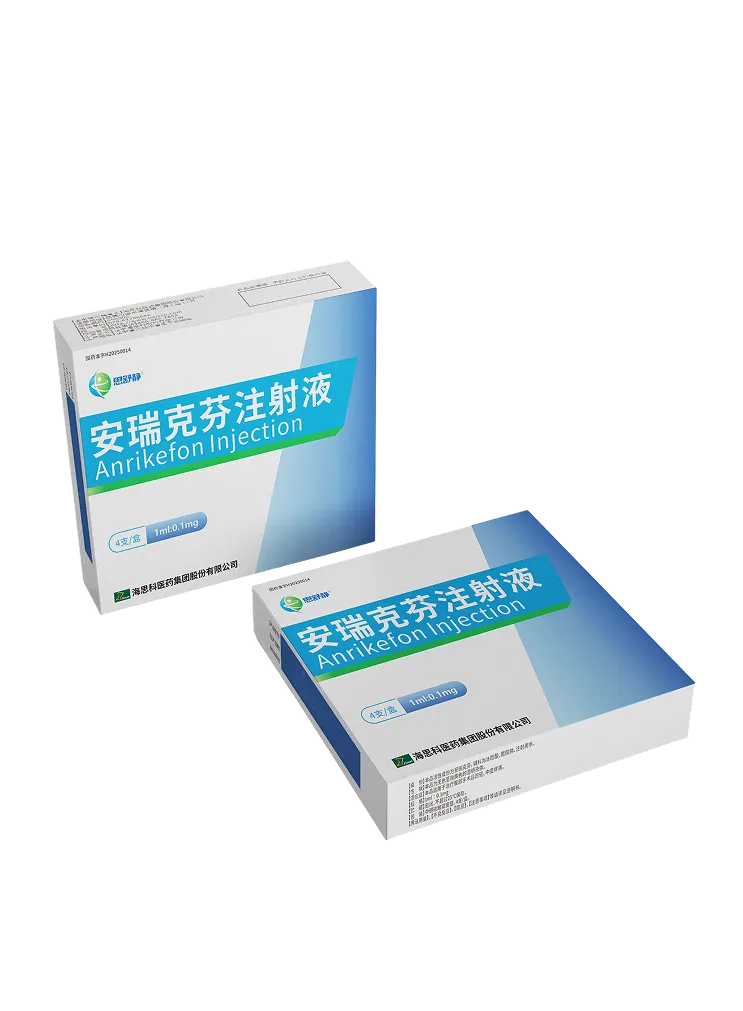
    SISHUJING® (Anrikefon Injection)

    Drug Introduction

    Sishujing® (Anrikefon Injection) is the world's first highly selective peripheral kappa opioid receptor agonist approved for analgesic indications. It was approved for marketing in May 2025 for the treatment of mild to moderate pain following abdominal surgery and for adult patients with moderate to severe pruritus associated with chronic kidney disease on maintenance hemodialysis.


    References
    [1] Anruikefen Injection Product Instructions.
    [2] Guidelines for perioperative pain management in abdominal surgery (2025 edition).
    [3] A review on the postoperative analgesia of Anruike Fen Injection used during elective general anesthesia for abdominal laparoscopic surgery in subjects.Multicenter approach for effectiveness and safety, a randomized, double-blind, placebo-controlled Phase III clinical study (Study ID: NCT04738357)
    [4] A multi-center, randomized, double-blind, placebo/positive control Phase III clinical study evaluating the efficacy and safety of Anruike Fen Injection in the treatment of postoperative pain (Study ID: NCT05390905)


    Download prescribing information

    SISHUJING® (Anrikefon Injection)
    Pain relief and itching relief

    Pain relief and itching relief

    Potently relieve pain and pruritus by specifically activating peripheral kappa-opioid receptors.[1]
    No central nervous system risk

    No central nervous system risk

    Hardly cross the blood-brain barrier, avoiding central nervous system adverse events such as respiratory depression and addiction [2]
    Comfortable for the gastrointestinal tract

    Comfortable for the gastrointestinal tract

    Good gastrointestinal safety, reducing the risk of postoperative nausea and vomiting, with better patient comfort[3]
    Very low burden on liver and kidneys

    Very low burden on liver and kidneys

    Seldom metabolized by the liver, ensuring safe administration for the elderly and patients with hepatic impairment[1]
    Continuous Research Paper Publications Global Academic Influence

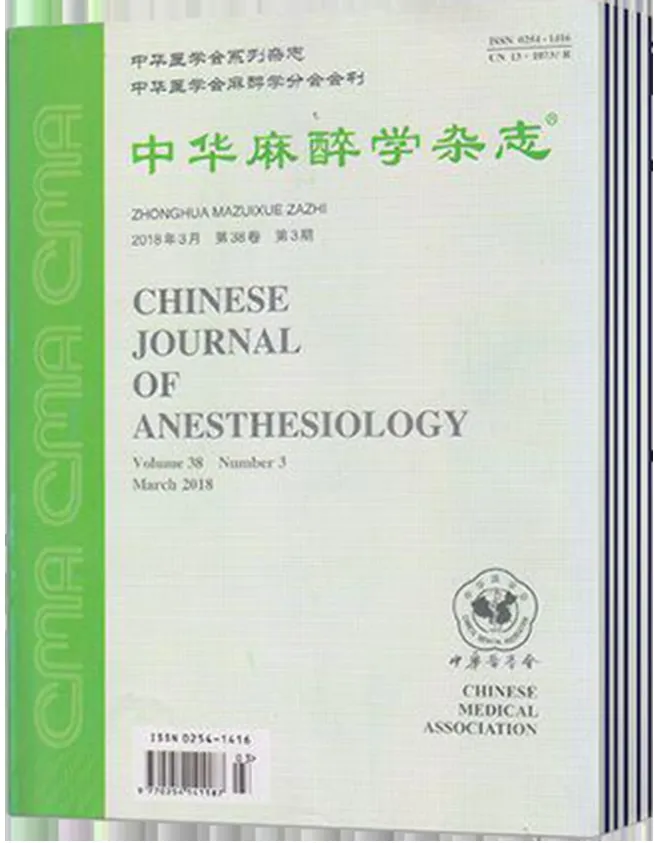
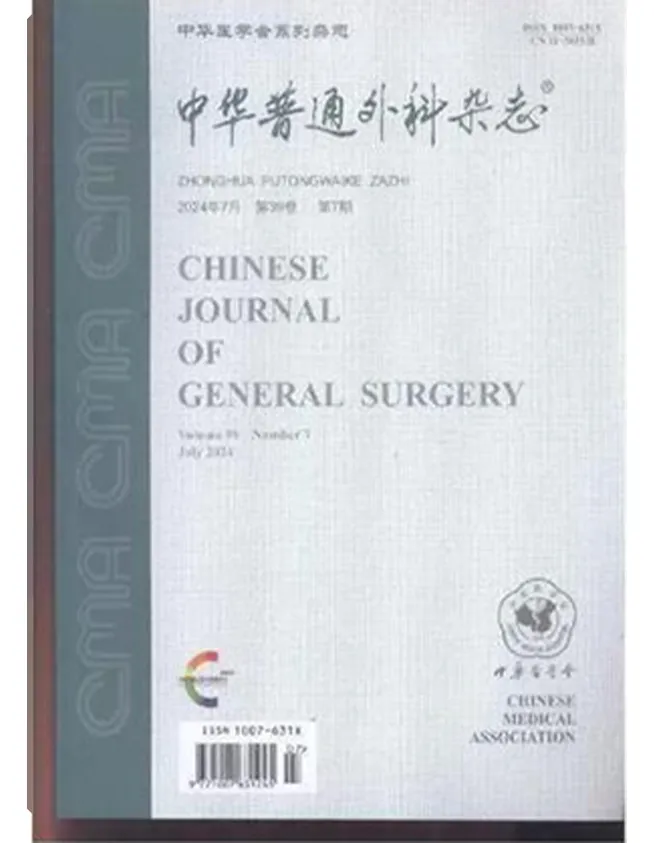
    Eighteen related academic papers have been published, including in Nature Communication, and The BMJ; research findings have been presented 4 times at top global academic conferences such as the American Society of Nephrology (ASN), the European Society of Anaesthesiology (ESA), and the Japanese Society of Anesthesiologists (JSA), showcasing Chinese original analgesic and antipruritic drug research results to the world; it has been formally incorporated into 3 authoritative guidelines and expert consensus statements, including the Clinical Practice Guideline for Postoperative Pain Management in Adults (2024 Edition) and the Guideline for Perioperative Pain Management in Abdominal Surgery (2025 Edition).
    Successfully included in the National Reimbursement Drug List in 2026; as of May 2026, it has been used in over 300medical institutions.
    Continuous Research Paper Publications  Global Academic Influence
    Continuous Research Paper Publications  Global Academic Influence
    Frequently Asked Questions
    Common Questions and Answers
    SISHUJING® (Anrikefon Injection) Frequently Asked Questions
    Q

    What is the target of Sishu Jing® (Anruikefen)?

    A
    is a highly selective peripheral κ opioid receptor agonist.
    Q

    What is the innovative position of Sishu Jing® (Anruikefen) in the field of pain relief?

    A
    It is the first high-selectivity peripheral κ opioid receptor agonist with analgesic indications in the world.
    Q

    In which year was Sishu Jing (Anruike Fen) launched?

    A
    The indications for abdominal postoperative pain relief and skin itching due to kidney disease were officially approved for market release in May and September 2025, respectively.
    Q

    What is the indication for Sishu Jing® (Anruikefen) in postoperative pain management?

    A
    Used to treat mild to moderate pain after abdominal surgery.
    Q

    What is the indication of Si Shu Jing® (Anruikefen) for chronic kidney disease?

    A
    Used for moderate to severe pruritus in adult patients with chronic kidney disease related to maintenance hemodialysis.
    Q

    Does Sishu Jing® (Anruikefen) cause central side effects such as addiction?

    A
    It is difficult to pass through the blood-brain barrier, effectively avoiding adverse effects on the central nervous system such as respiratory depression and addiction.
    Q

    Can Sishu Jing® (Anruikefen) reduce postoperative nausea and vomiting?

    A
    Yes, the gastrointestinal safety resulting from its peripheral mechanism of action is good, effectively reducing the risk of postoperative nausea and vomiting. Clinical studies show that the incidence of postoperative nausea and vomiting is lower than that of the placebo.
    Q

    Is Si Shu Jing® (Anruikefen) metabolized by the liver?

    A
    Almost not metabolized by the liver.
    Q

    For which special groups is Sishu Jing® (Anruikefen) suitable?

    A
    For patients with impaired liver function and mild to moderate renal impairment, there is no need to adjust the dose of Anruikefen; for patients with severe renal impairment, the dose of Anruikefen should be halved; for elderly individuals, there is no need to adjust the dose of Anruikefen based on age.
    Q

    As of May 2026, how many academic papers have been publicly published for Sishujing® (Anruikefen)?

    A
    18 related academic papers have been published.
    Q

    Which top journals have published research on Sishu Jing® (Anruikefen)?

    A
    The core data have been published in top journals such as The BMJ and Nature Communication.
    Q

    As of May 2026, which international top medical conferences has Sishujing® (Anruikefen) participated in?

    A
    Has appeared at international academic events such as ASN (American Society of Nephrology), ESA (European Society of Anesthesiology), and JSA (Japanese Society of Anesthesiology) four times.
    Q

    What did Sishu Jing® (Anruikefen) showcase at the international conference?

    A
    It comprehensively and systematically presented the clinical research achievements of China's original pain-relieving and itching-relieving drugs to the world.
    Q

    As of May 2026, how many authoritative guidelines have included Sishujing® (Anruikefen)?

    A
    It has been officially included in three authoritative guidelines and expert consensus reports.
    Q

    Which specific pain management guidelines does Sishu Jing® (Anruikefen) be included in?

    A
    Including the "Chinese Adult Postoperative Analgesia Guidelines: Clinical Practice Guidelines for Postoperative Pain Management (2024 Edition)" and the "Guidelines for Perioperative Pain Management in Abdominal Surgery (2025 Edition)", etc.
    Q

    Is Si Shu Jing® (Anruikefen) covered by national medical insurance?

    A
    Yes. The first medical insurance negotiation will be carried out in 2025, and it will be included in the national medical insurance list in 2026.
    Q

    As of May 2026, what is the current coverage of SiShuJing® (AnRuiKeFen) in medical institutions?

    A
    Currently, over 300 key medical institutions across the country have implemented this system.
    Q

    What are the key pharmacological advantages of Sishu Jing® (Anruikefen)?

    A
    By precisely activating peripheral κ opioid receptors, it provides effective pain relief and anti-itch effects, while significantly improving safety in the central nervous system and gastrointestinal tract.
    Q

    Is SiShuJing® (AnRuiKeFen) a novel original drug?

    A
    Yes, it is a Chinese original drug with independent intellectual property rights and widely recognized in academic circles at home and abroad.
    Q

    What are the notable advantages of Sishu Jing® (Anruikefen) in postoperative analgesia?

    A
    It provides effective pain relief while avoiding adverse central system effects such as respiratory depression and addiction, has good gastrointestinal safety, reduces postoperative nausea and vomiting, and is almost not metabolized by the liver, making it safer for special populations like the elderly and those with impaired liver function.